
Classroom Activity: The Abundance Basket
Theme: Gratitude, Sharing, Community, and Nature
Recommended Ages: 3–5 years (adaptations for other ages included below)
Activity Time: Approximately 20–30 minutes
Activity Overview

Inspired by Autumn's Abundance, this activity encourages children to recognize the gifts in their lives and explore ways to share kindness with others.
Children will create paper leaves, apples, or pumpkins representing things they are thankful for and place them in a shared classroom Abundance Basket. Through storytelling, art, and group discussion, children will learn that abundance is not simply about what we have, but also about what we can give to others.
Materials Needed
Small basket or decorated cardboard box
Construction paper in autumn colors (red, orange, yellow, and brown)
Paper leaf, apple, or pumpkin cutouts
Crayons or washable markers
Child-safe scissors
Glue or tape
Optional: Fallen leaves, pinecones, or other nature items collected during an outdoor walk
Step-by-Step Instructions
Step 1: Read and Reflect
Begin by reading Autumn's Abundance aloud to the children. After reading, discuss Bo's experiences and the gifts he notices throughout the autumn season.
Encourage children to think about what abundance means to them. Explain that abundance can include the people who care for us, the food we eat, the beauty of nature, and the kindness we share.
Step 2: Create Autumn Gifts
Give each child a paper leaf, apple, or pumpkin cutout.
Ask children to think of something they are thankful for. It might be their family, friends, favorite foods, pets, teachers, or something they enjoy in nature.
Have children draw or color a picture representing their choice. Educators can help younger children by writing down their responses.
Step 3: Fill the Abundance Basket

Gather the children in a circle with the classroom basket in the center.
Invite each child to share what they created and, if comfortable, explain why they are thankful for it.
As children finish sharing, have them place
their creations in the basket.
Explain that just as Bo recognized the abundance around him, the classroom has many things to be thankful for, too!
Step 4: Share the Abundance
Now that the basket is full, encourage children to think about how they can share kindness and generosity with others.
Ideas include:
Creating a handmade card for a family member or Elder
Helping a classmate with a task
Sharing classroom materials
Making a picture for someone who needs encouragement
Participating in a classroom collection of needed items for a local community organization
Remind children that sharing does not always mean giving away something we own. We can also share our time, kindness, friendship, and care.
Let's Talk About It! Discussion Questions
Use these questions to encourage conversation and connect the activity to the story:
What are some things Bo was thankful for?
What gifts does Mother Earth provide during autumn?
What are you thankful for in your life?
Why is it important to help and care for others?
What is one way we can share kindness with our family, friends, or community?
Adapting the Activity for Different Age Groups

Tribal child care programs serve children across different developmental stages. This activity can be adapted to encourage participation and learning at every age.
Infants (Birth–12 Months): Sensory Exploration
Introduce autumn through supervised sensory experiences using large, age-appropriate materials in fall colors. Educators can describe colors, textures, and natural elements while interacting with infants. Avoid small loose objects, including acorns and pinecones, that could present choking hazards.
Toddlers (1–2 Years): My Thankful Leaf
Provide large paper leaves for children to decorate using washable crayons or other age-appropriate art supplies. Talk about familiar people and things that bring them happiness, such as family, favorite toys, or time outdoors. Help children place their leaves in the classroom basket.
Preschoolers (3–5 Years): The Abundance Basket
Complete the full activity, encouraging children to identify things they are thankful for, share their ideas with classmates, and explore ways to show kindness to others.
School-Age Children (6+ Years): Giving Back to Our Community
Invite older children to write messages of gratitude or create artwork celebrating people who make a difference in their lives. Extend the activity by planning a small community service project, such as creating appreciation cards for Elders or organizing a donation drive with family participation.
Extend the Learning!
Create a Classroom Abundance Tree
Keep the conversation going throughout the autumn season by creating a classroom Abundance Tree!
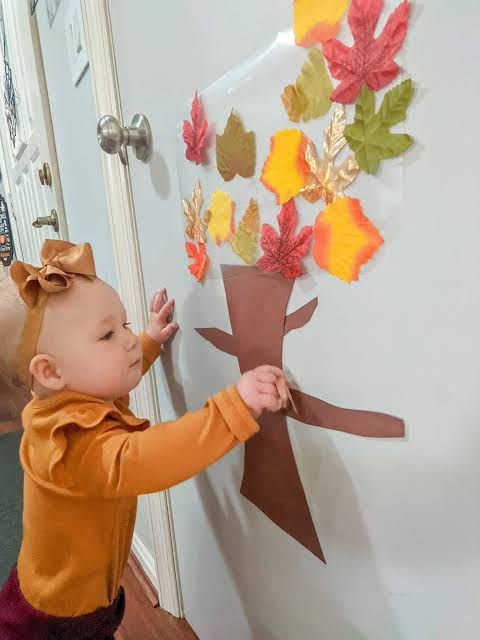
Using construction paper, create a large tree trunk and branches on a classroom wall or bulletin board.
Whenever children identify something they are thankful for or demonstrate an act of kindness, invite them to add a colorful paper leaf to the tree.
Over time, the tree will fill with examples of gratitude, generosity, and community care, providing a visual reminder of the abundance surrounding us.
Connect With Your Tribal Community
Autumn is an opportunity to explore seasonal changes, harvesting traditions, and relationships with the natural world.
Consider inviting a Tribal Elder, cultural educator, or community member to share stories, teachings, or traditions related to autumn and gratitude that are appropriate to your community.
Educators can also incorporate their Tribe's language by introducing relevant words for seasons, leaves, harvests, gratitude, or sharing, with guidance from local language speakers.
These connections help children recognize and celebrate the cultural knowledge and traditions of their own communities.
Early Childhood Learning Connections
This activity supports several areas of early childhood development:
Social-Emotional Development: Encourages empathy, gratitude, generosity, and positive relationships.
Language and Literacy: Strengthens listening comprehension, vocabulary, storytelling, and verbal expression.
Fine Motor Development: Provides opportunities to practice drawing, coloring, cutting, and handling art materials.
Cognitive Development: Encourages reflection, creative thinking, and making connections between stories and real-life experiences.
Cultural Identity and Awareness: Creates opportunities to explore Indigenous storytelling, community values, and locally relevant cultural teachings.
Environmental Awareness: Encourages children to notice seasonal changes and appreciate the natural world.
A Final Thought
In Autumn's Abundance, Bo reminds us that some of life's greatest gifts come from the relationships we build, the earth that sustains us, and the kindness we extend to others.
By bringing these lessons into the classroom, educators can help children recognize the abundance in their own lives while learning the importance of caring for their families, communities, and the world around them.
NICCA encourages educators to adapt this activity to reflect the unique languages, cultural teachings, and traditions of the Tribal communities they serve.


